
Vision
Over the past twenty years, the world has changed profoundly — technologically, socially, environmentally, and emotionally. The way we live, work, learn, communicate, and relax is no longer the same. In this context, architecture and interior design cannot remain static; they must respond to the new needs of contemporary life.
Flexibility as a Foundation
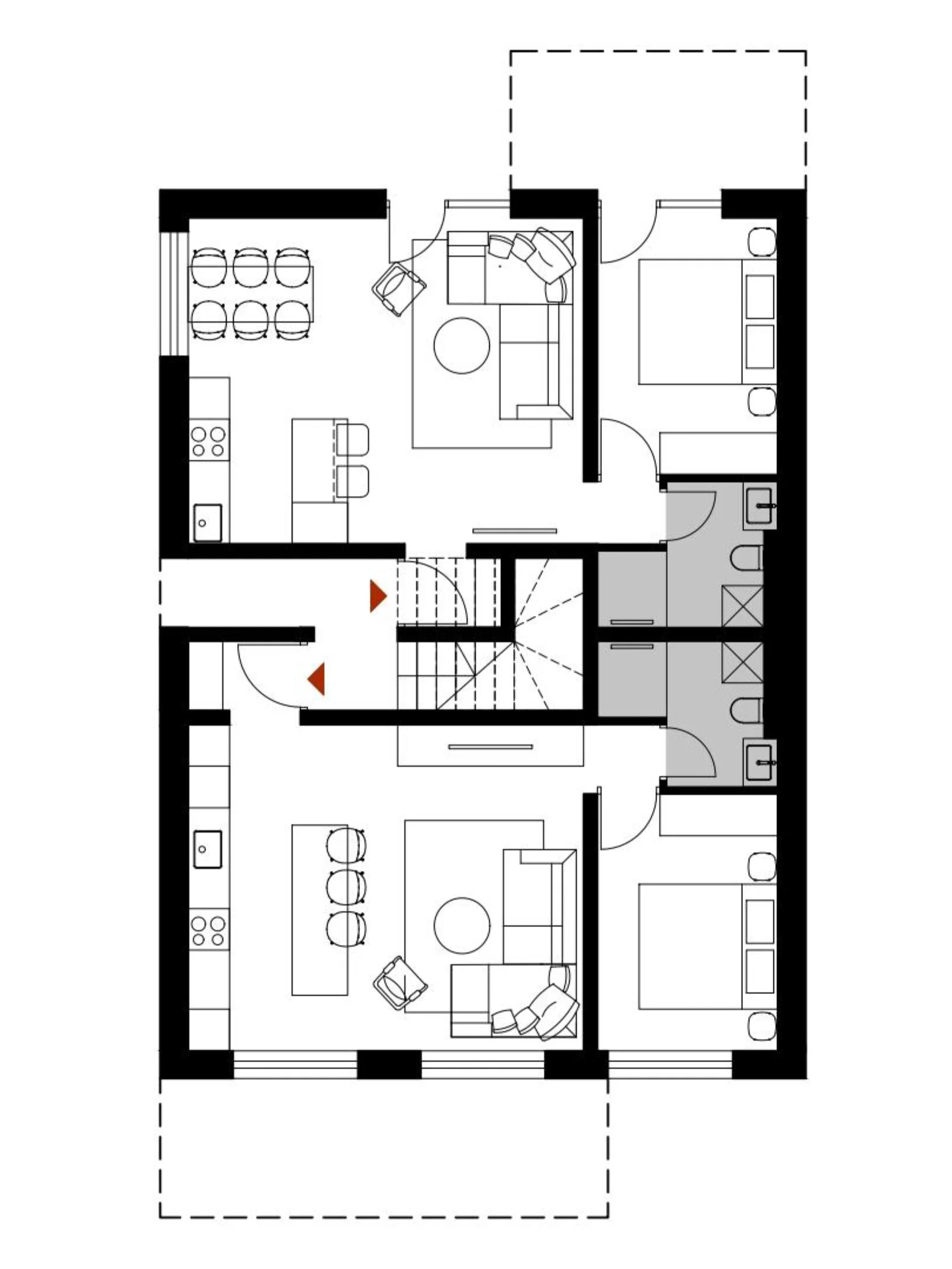
One of the most important needs of today is spatial adaptability. The boundaries between work and private life have blurred. The home is no longer just a place of rest, but also an office, classroom, gym, and space for creative expression. Contemporary architecture therefore gravitates toward multifunctional spaces with movable partitions, modular furniture, and smart solutions that allow for quick transitions between different functions.

Closeness to Nature
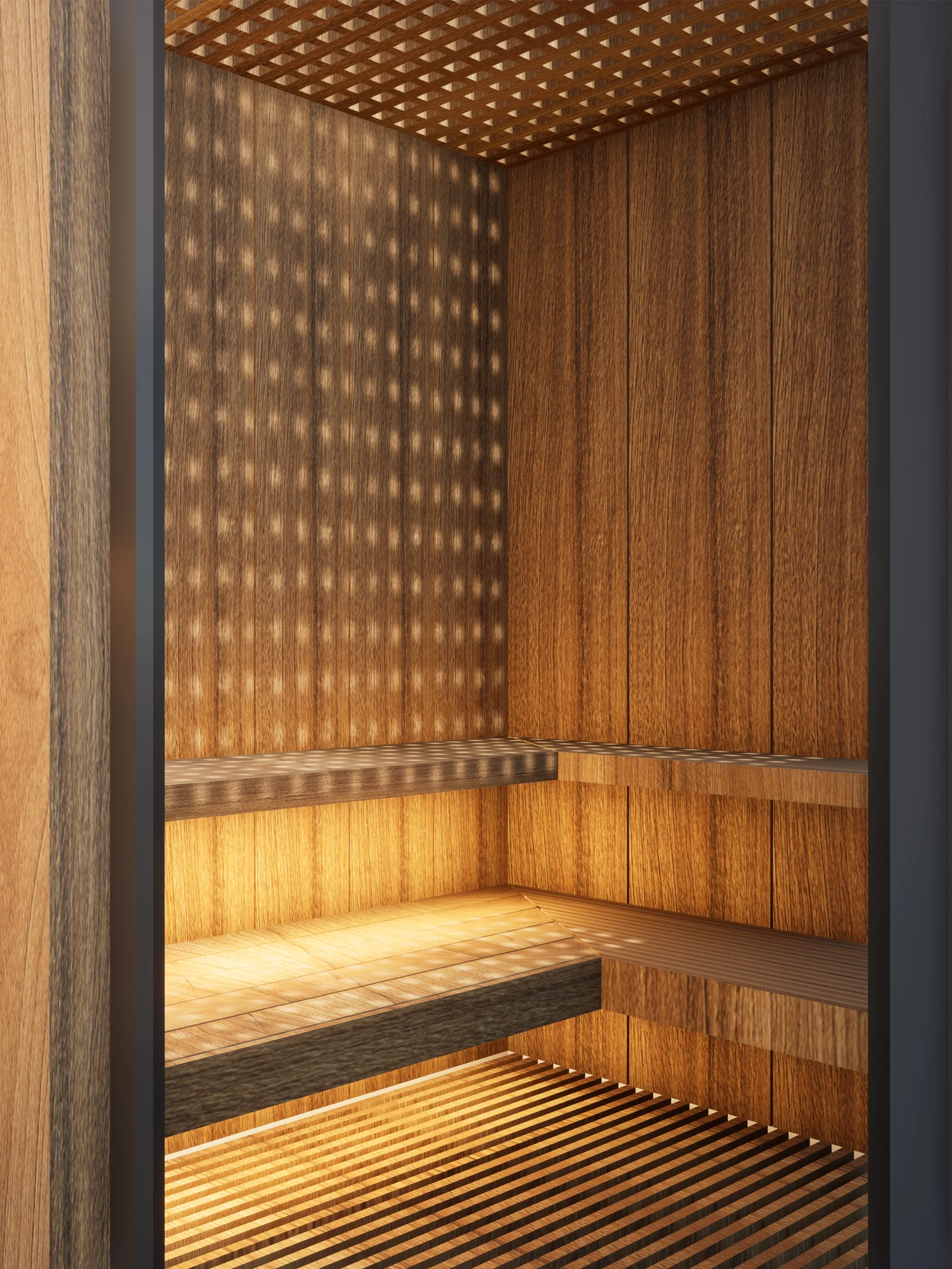
With the rise of stress and the accelerated pace of life, people increasingly seek contact with nature in their everyday environments. Today’s architecture embraces biophilic design — the inclusion of natural elements such as greenery, wood, natural light, and organic forms in interiors and exteriors. Terraces, green walls, large windows, and home gardens are no longer luxuries, but necessities for mental well-being.
Technology in the Service of Comfort
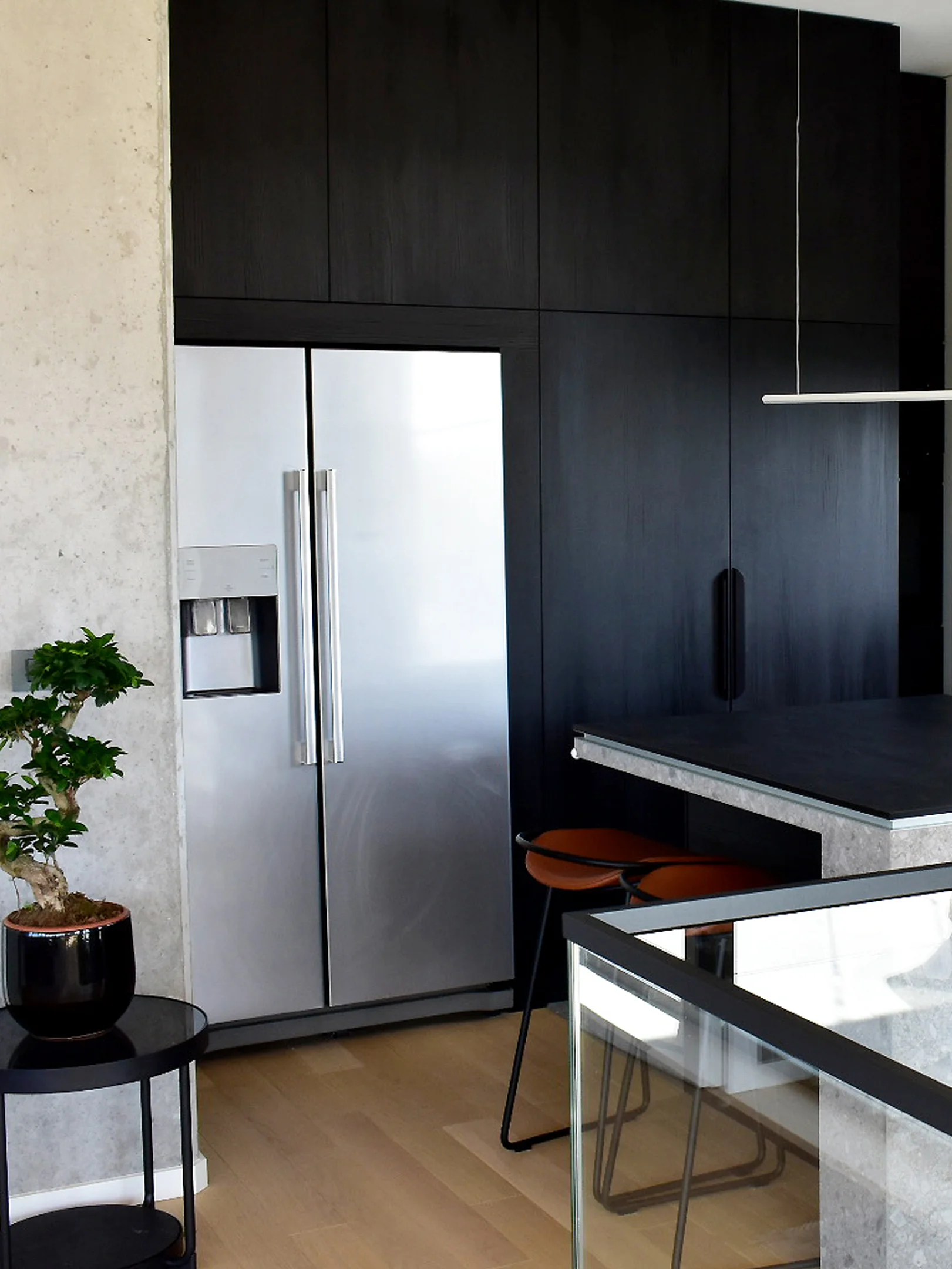
Smart homes are no longer the future — they are the present. The integration of technology into daily life enables greater energy efficiency, safety, and comfort. Lighting, heating, security, and entertainment are now connected in unified systems controlled by voice or mobile apps. Contemporary interiors are designed with these technologies in mind, while never sacrificing aesthetics.
Minimalism and Meaning
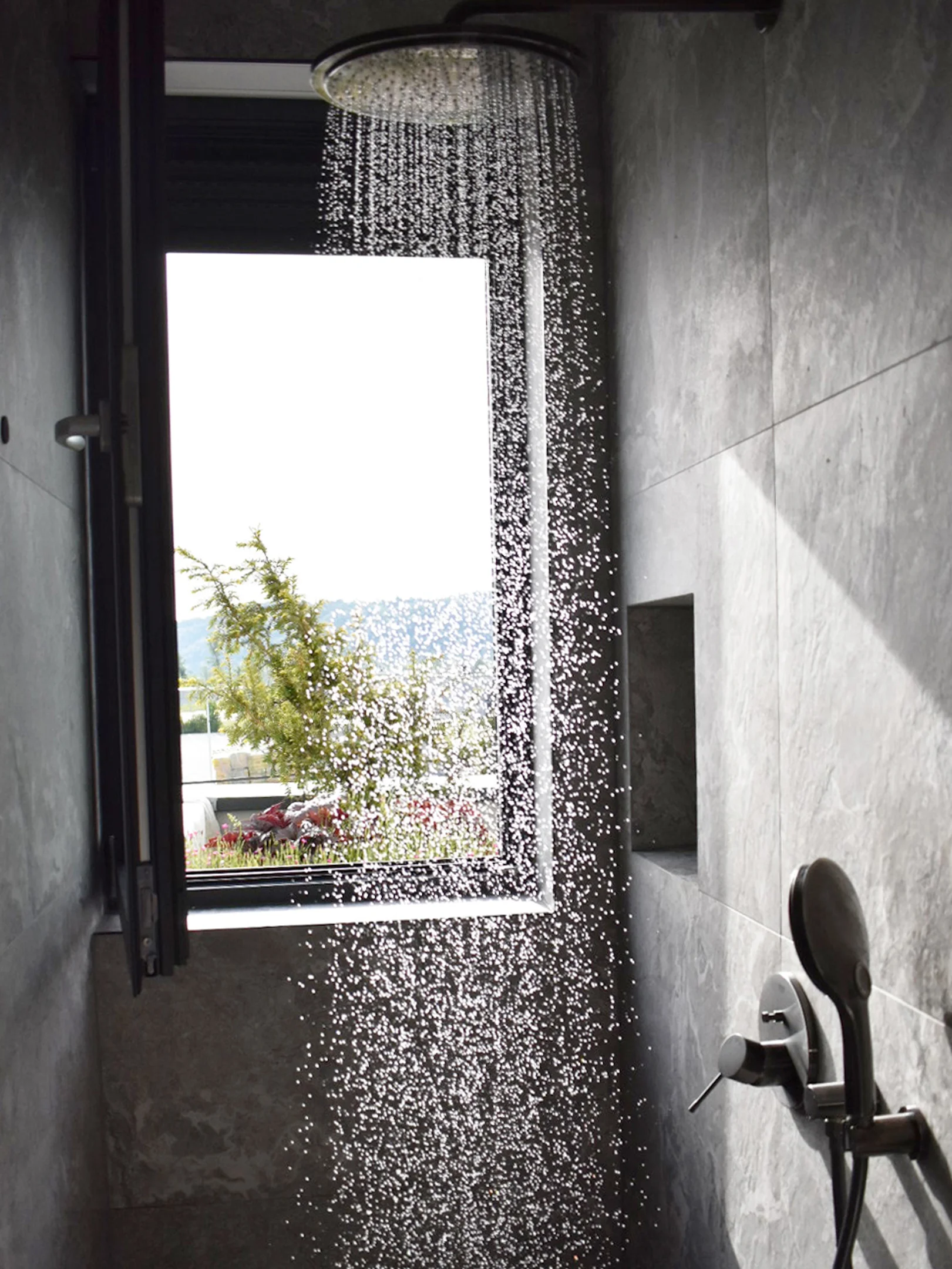
In a world overloaded with information and objects, contemporary life increasingly values simplicity and functionality. Minimalist design, inspired by Scandinavian and Japanese approaches, offers aesthetically clean yet warm and inviting spaces. Quality replaces quantity, and every object in the space has its purpose.
Sustainability as an Imperative
Environmental awareness is increasingly shaping the way we build and design interiors. The use of sustainable materials, energy-efficient systems, and recycled elements is becoming the standard rather than an option. Design today is concerned not only with beauty and function, but also with its impact on the environment and on future generations.